
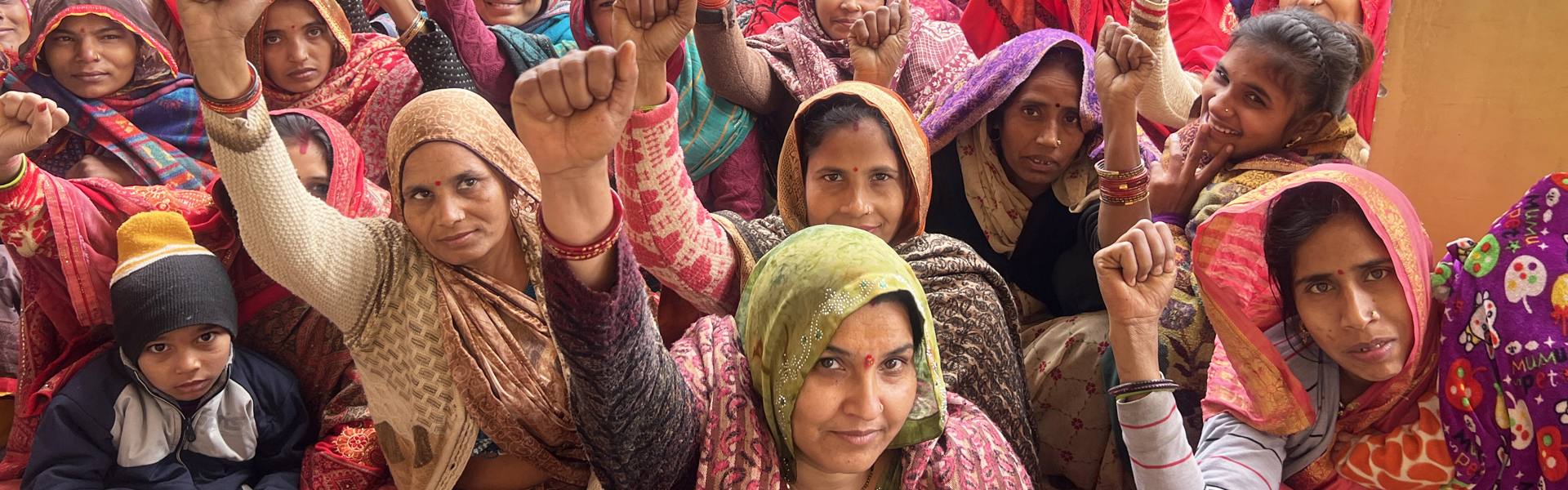
Jagan Foundation’s work is anchored in three interconnected programme pillars. Together, these address gendered health inequities, build pathways to livelihoods and digital inclusion, and strengthen justice, rights, and everyday citizenship.
Global evidence consistently shows that investments in women’s health generate transformative gains and represent one of the highest-return opportunities for safeguarding lives and improving livelihoods. For every dollar invested in women’s health, there is a three-dollar return on economic growth, alongside measurable improvements in children’s health, education outcomes, and long-term well-being. Stronger health outcomes for women and children contribute directly and indirectly to more equitable education, decent livelihoods, and longer, healthier lives for entire communities.
Our programmes are designed to be community-rooted, data-informed, and responsive to the lived realities of women, adolescents, and youth in underserved contexts.
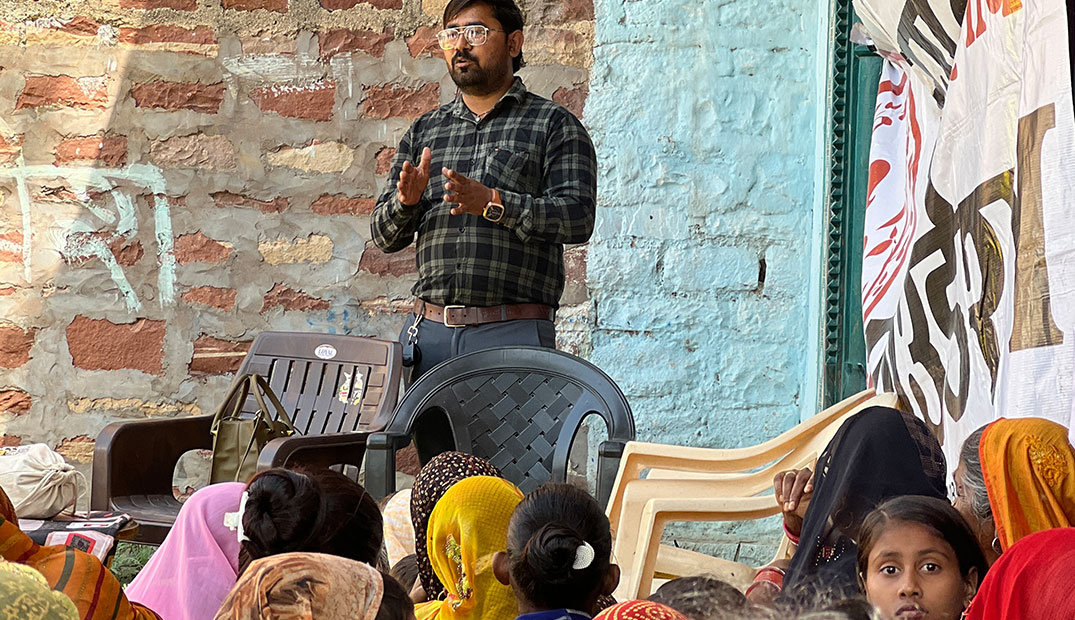
We bring practical financial education to rural communities, equipping women with the knowledge and confidence to manage their finances. Covering essential topics such as savings strategies, banking access, insurance options, and government schemes, we have already helped over 8,500 women. Our one-on-one mentorship programs help women set up small savings and investments, while entrepreneurship awareness sessions encourage them to explore home-based business opportunities.
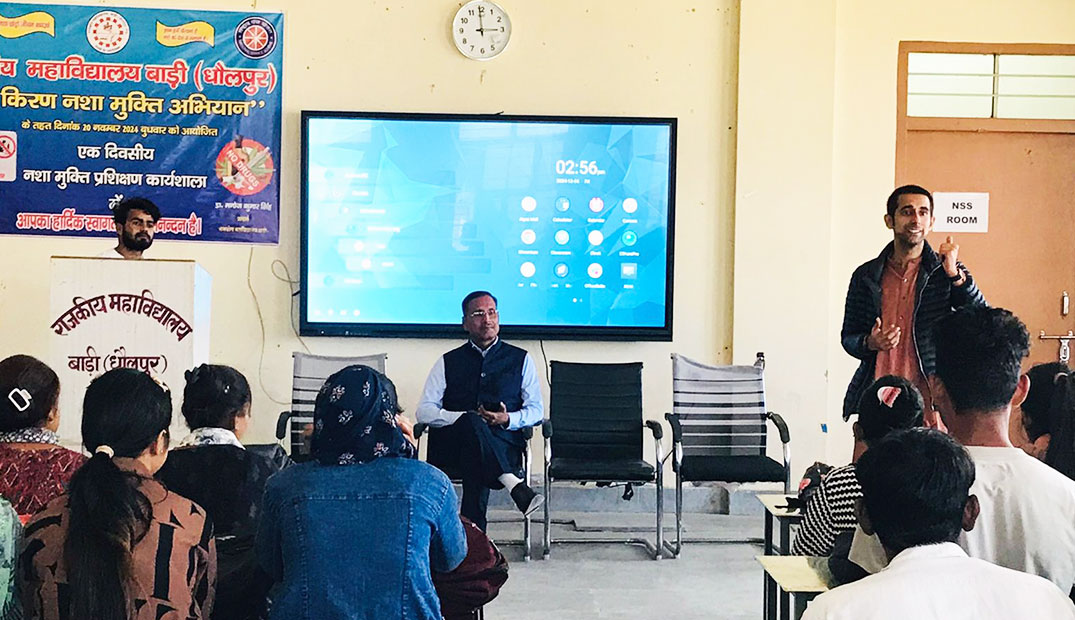
Through our partnership with the Wadhwani Foundation, we provide workplace skills training and employability scorecards to enhance job readiness. Our hands-on training equips individuals with skills for high-demand job roles, enabling self-employment and financial independence. As our first batch graduates in March, they are set to access better job prospects and economic stability. We also offer career counselling, resume-building workshops, and interview skills training to boost employability.
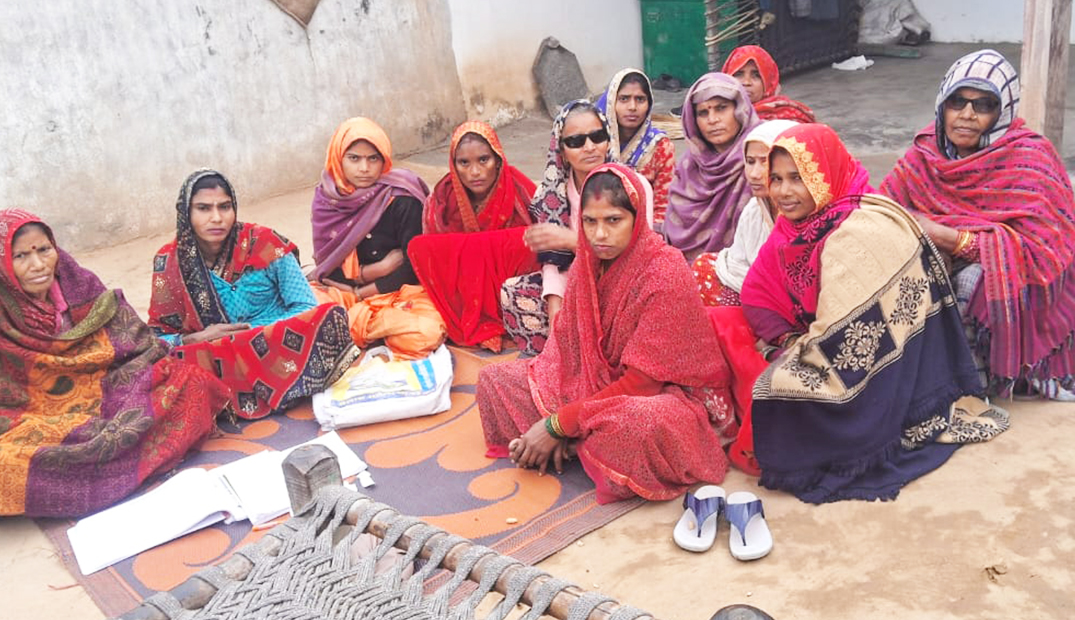
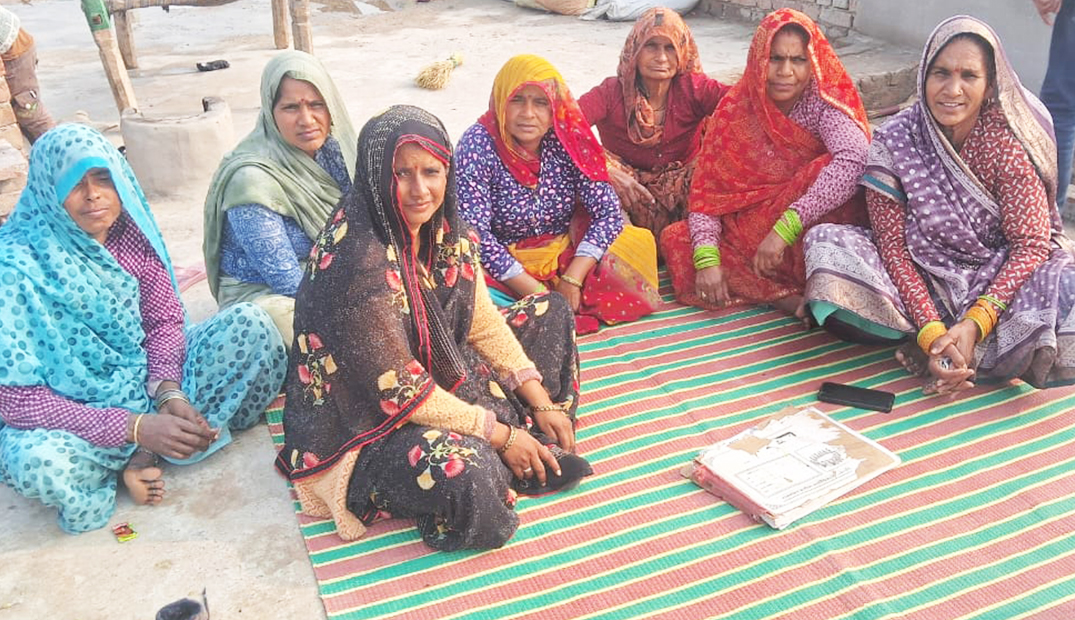
We run Sales Sakhi as an outcome-driven sales and entrepreneurship programme for women from SHGs and rural–semi-urban communities who are running, or aspiring to start, micro-enterprises. The programme addresses common barriers, such as limited sales skills, low confidence in customer communication, and a lack of market clarity.
Through short, practical training sessions combined with handholding, we help women strengthen sales mindset, customer communication, and basic marketing skills, with a clear focus on income-linked outcomes. Sales Sakhi enables women to increase sales, start income-generating activities, and build confidence as entrepreneurs, while also introducing digital tools for customer engagement and market access as the programme scales.the programme has impacted nearly 500 women, while gradually introducing digital tools to strengthen customer engagement and market access as it scales.
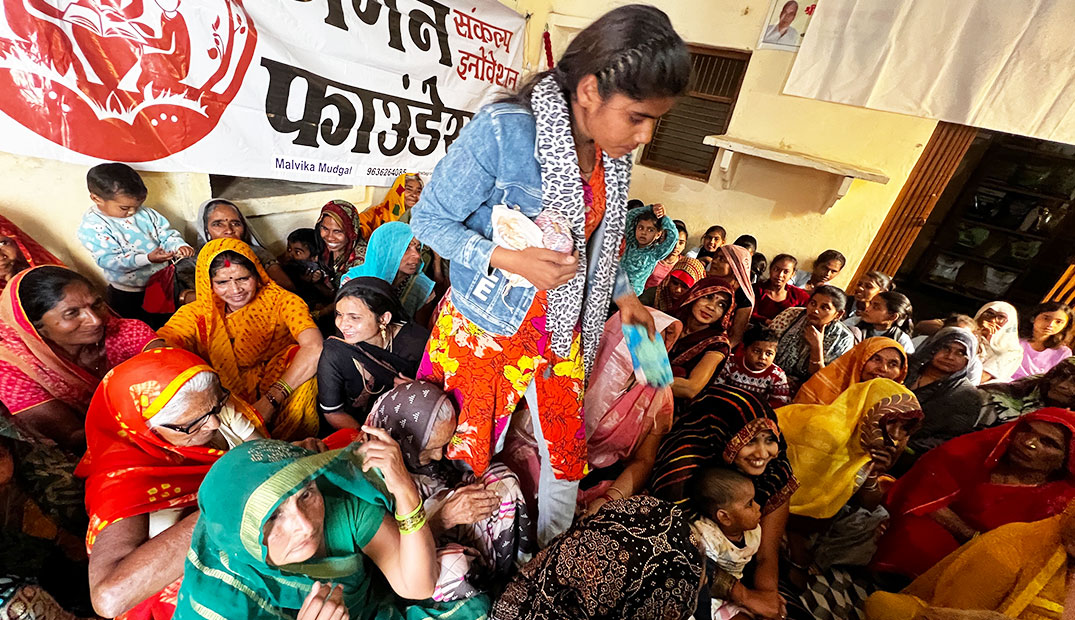
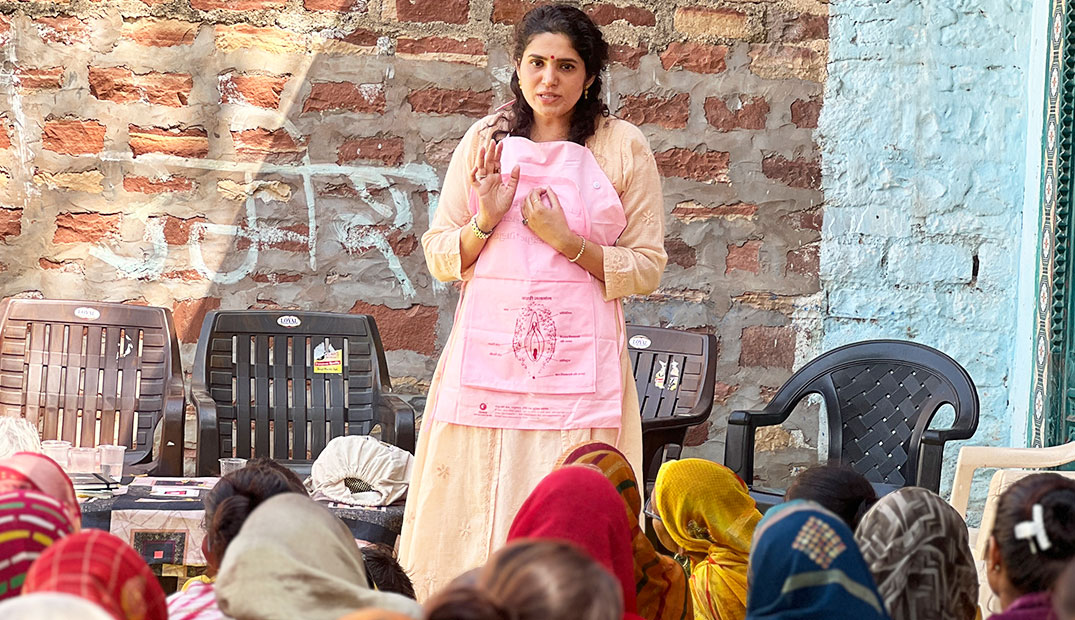
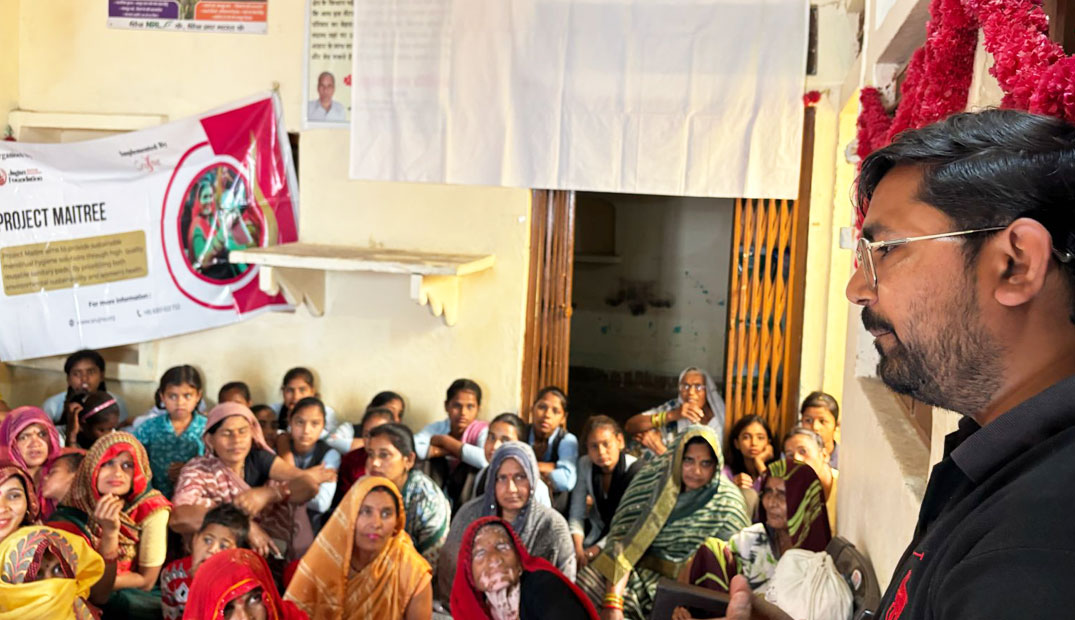
We break taboos and promote sustainable menstrual hygiene through awareness workshops and the distribution of reusable sanitary kits. Our initiatives have empowered over 4,000 women with hygiene solutions that last 18–24 months, reducing both waste and health risks. Through school and community outreach programs, we educate adolescents and young women on menstrual health while collaborating with local health workers to ensure sustained awareness and access to eco-friendly, affordable menstrual products.
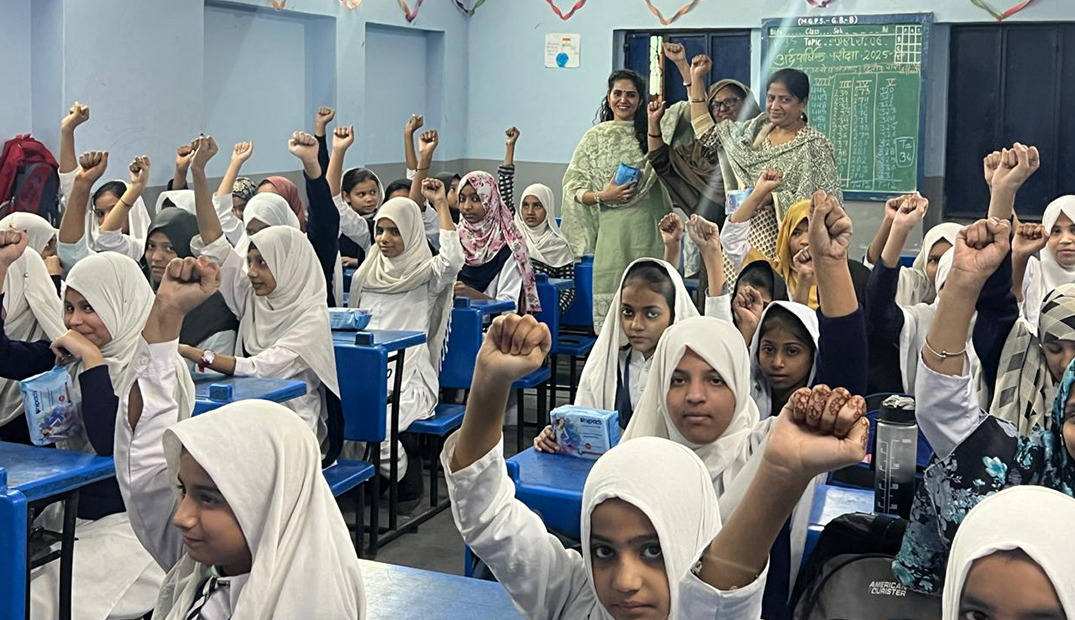
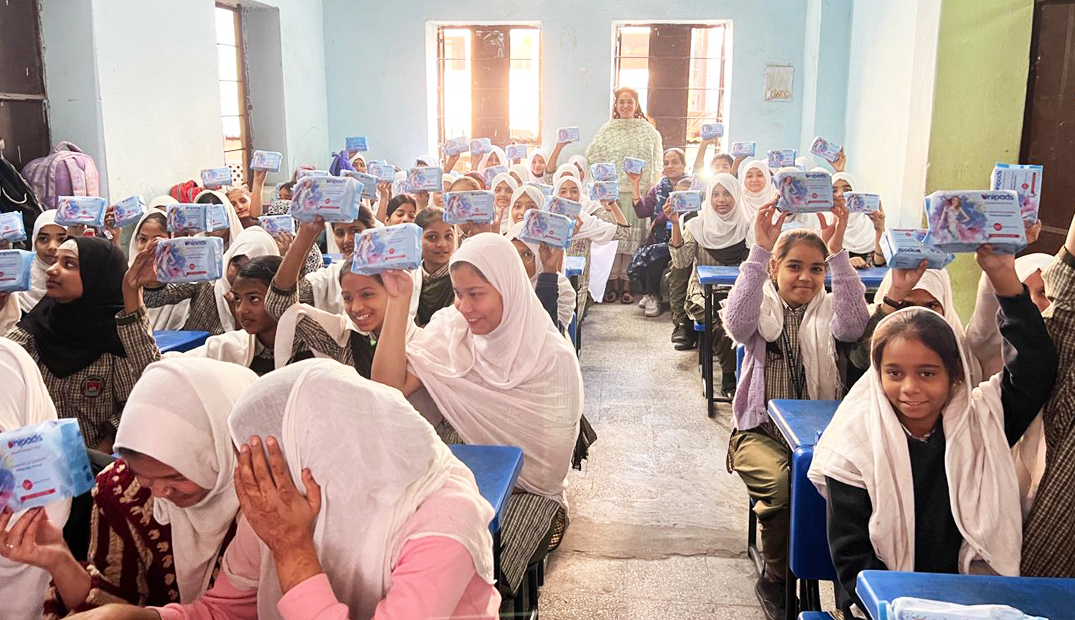
We run a context-sensitive menstrual health and hygiene initiative designed for faith-based learning spaces. This programme works with students and faith leaders to enable culturally-grounded conversations on menstrual health, dignity, and care, ensuring that adolescent girls in Madarsas have access to accurate information and supportive environments.
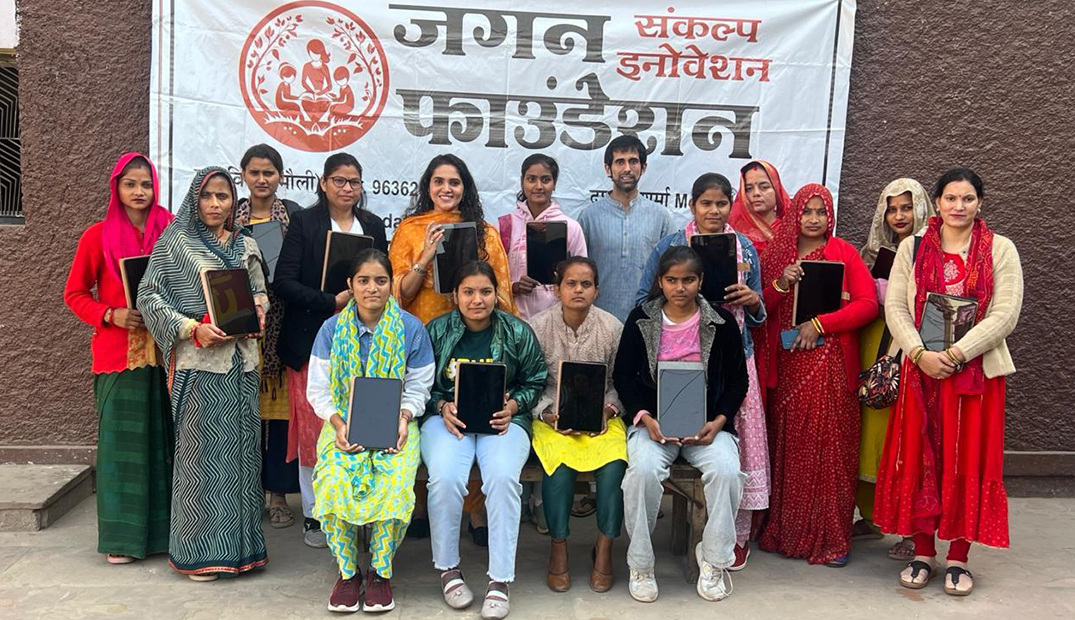
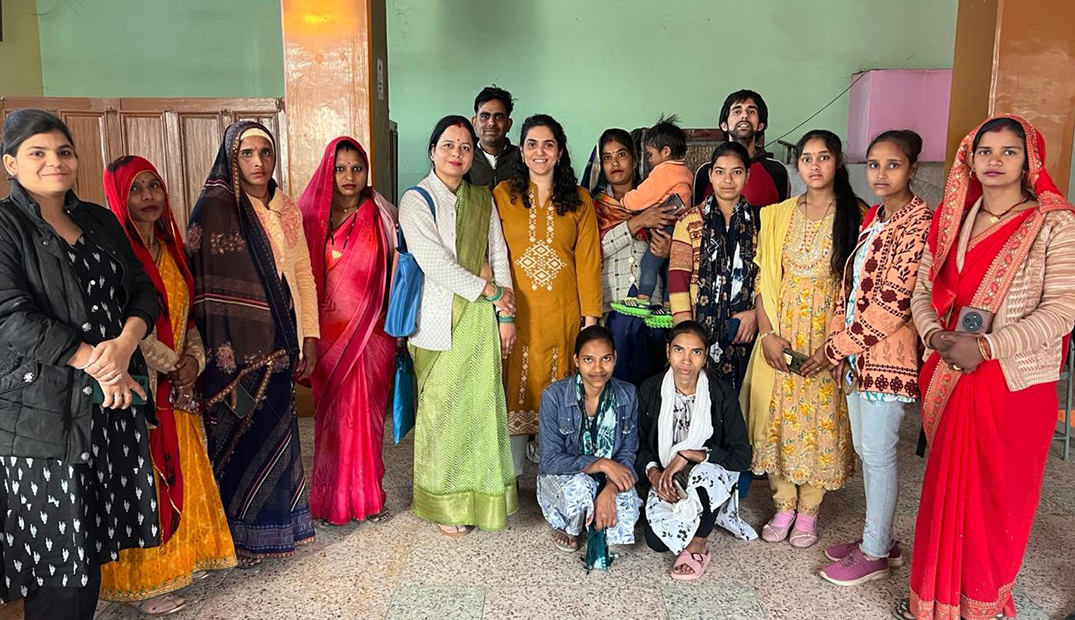
We address critical gaps in women’s and adolescent girls’ health through Digital Sakhi in rural Rajasthan, where low health literacy, menstrual taboos, period poverty, and high anaemia prevalence significantly impact education, well-being, and long-term outcomes.
Through this initiative, we train rural women as Digital Sakhis—community health entrepreneurs who use mobile-first tools to deliver menstrual health education, anaemia awareness, and basic digital literacy at the household and community level. By equipping local women with structured training and leadership support, Digital Sakhi shifts women from being health beneficiaries to becoming trusted health educators and first-point responders within their communities.
Launched with a dedicated grant, we have onboarded 15 Digital Sakhis as part of the pilot in Dhopur, each supporting approximately 10 women through home visits, group sessions, and digital engagement. Sakhis work closely with existing frontline systems, supporting awareness around IFA supplementation, preventive care, and referrals where needed.
Through Digital Sakhi, we combine public health impact with livelihood creation. The model is designed to scale through incubation and technology integration, strengthening community health outcomes while building women-led pathways to economic participation and leadership.
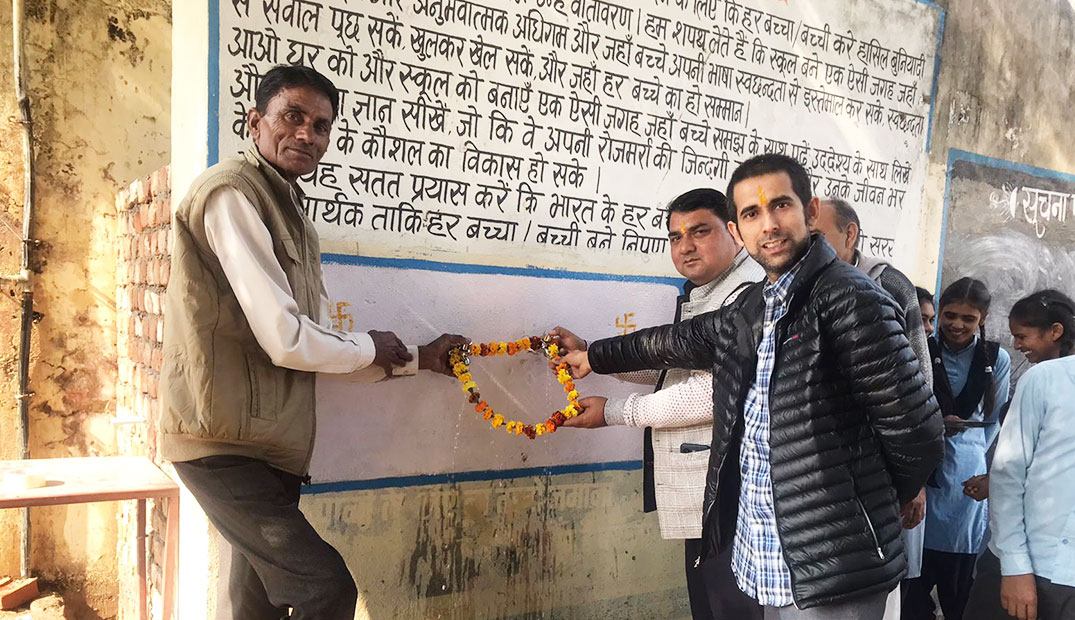
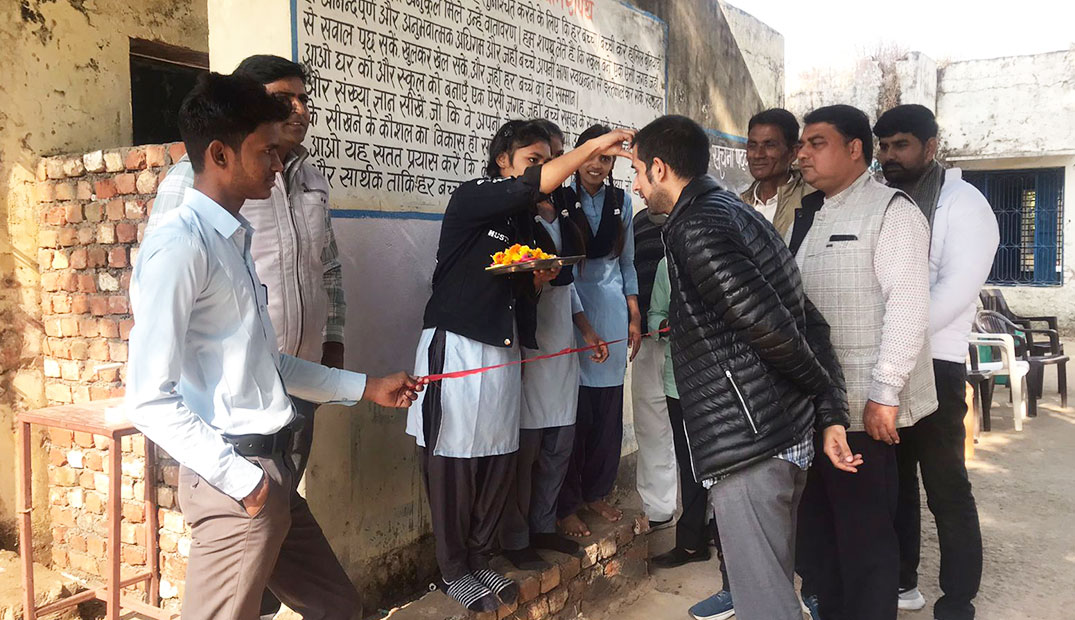
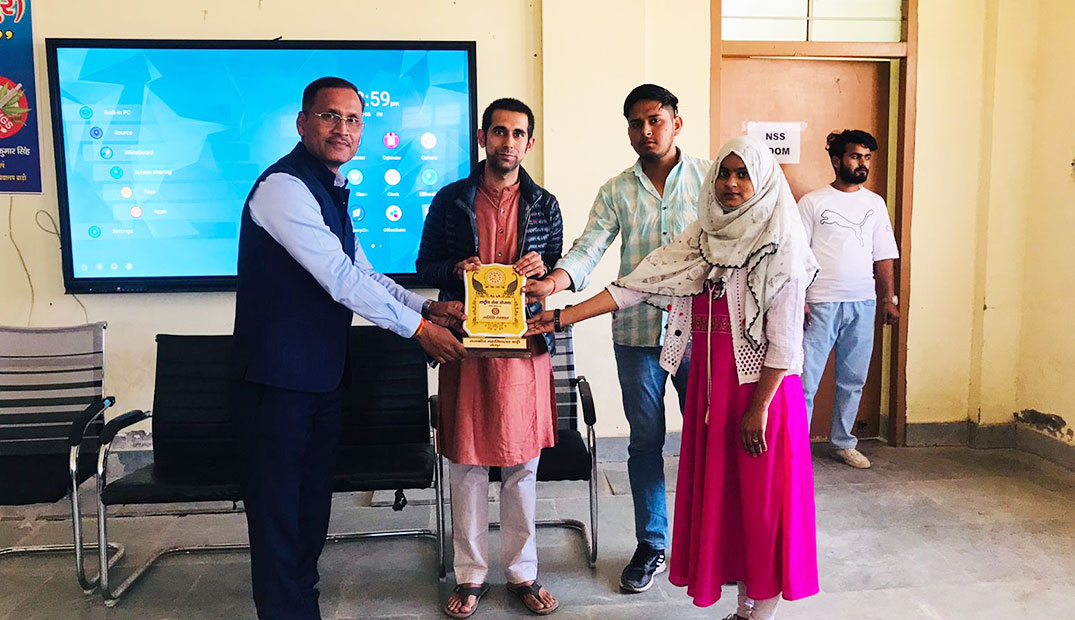
We equip government schools with water purifiers and cooling systems to provide students and teachers with safe drinking water. This initiative promotes better health and creates a more conducive learning environment by ensuring hygiene and safety. So far, we have implemented this in one government college and two government schools in the district of Dholpur.
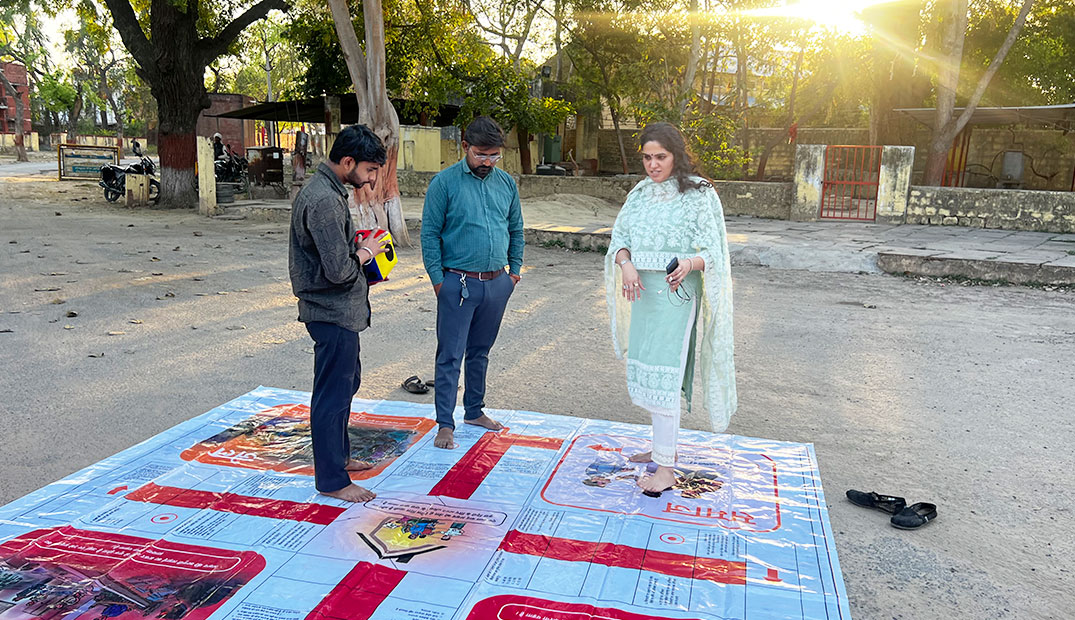
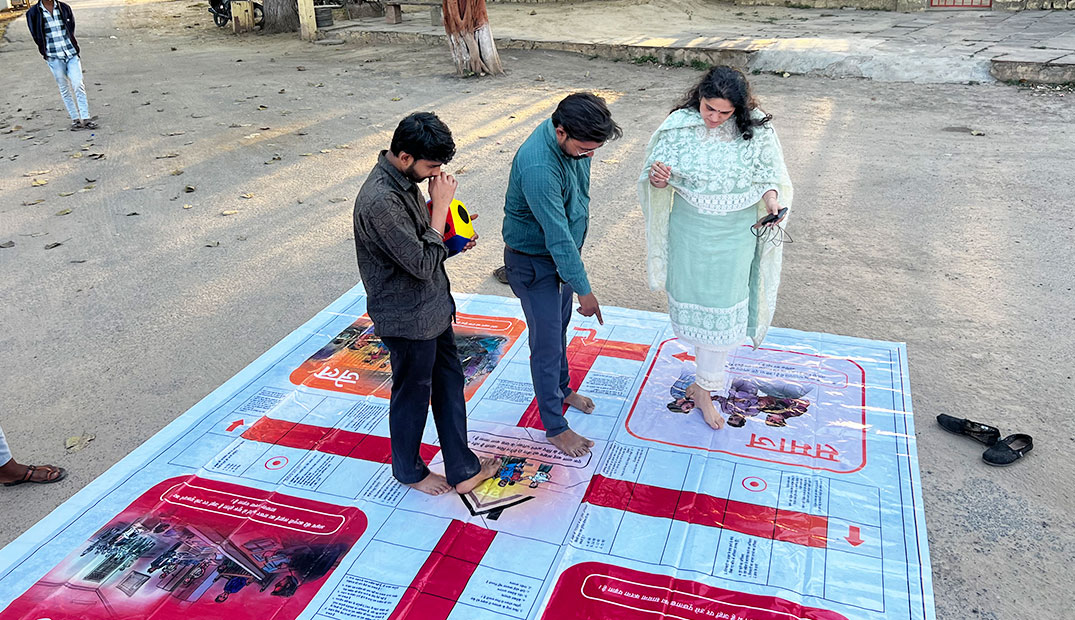
Focusing on rehabilitation and reintegration, we work with inmates to improve mental well-being, legal literacy, and social responsibility.
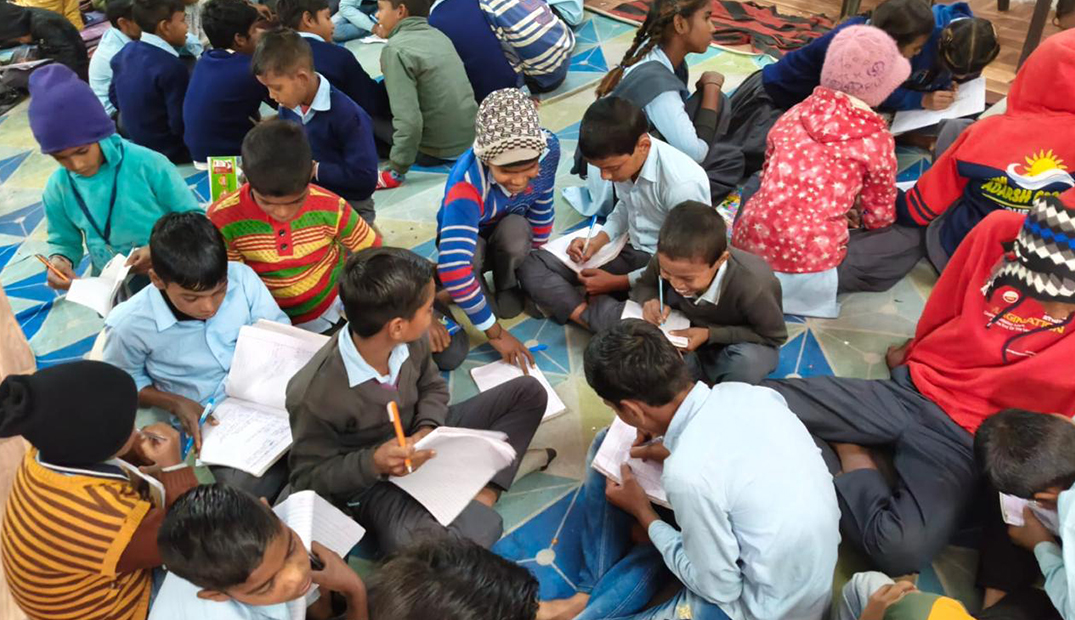
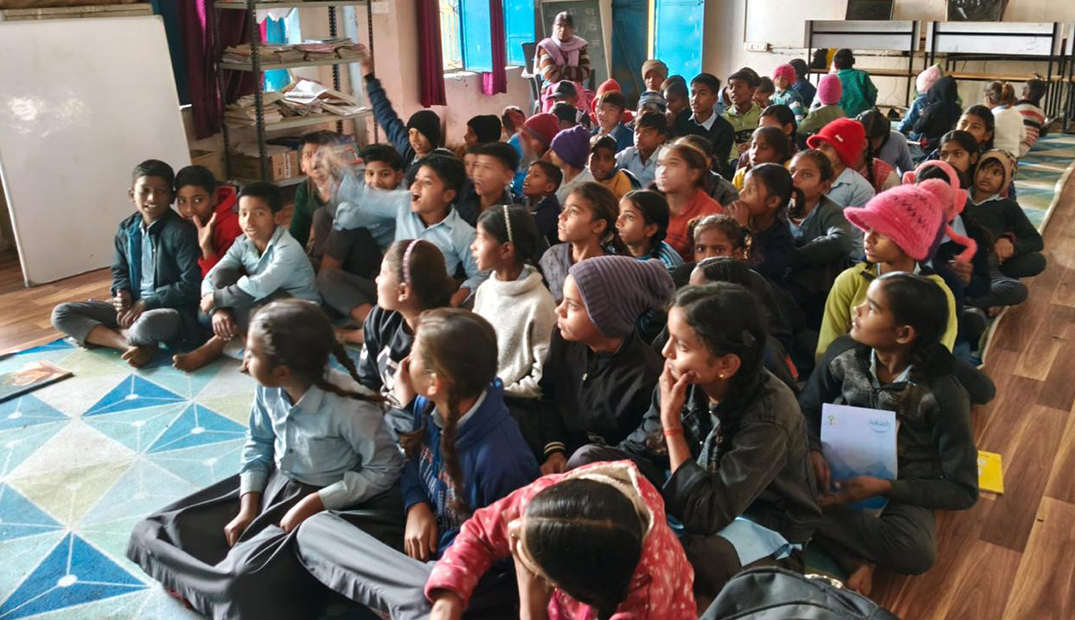
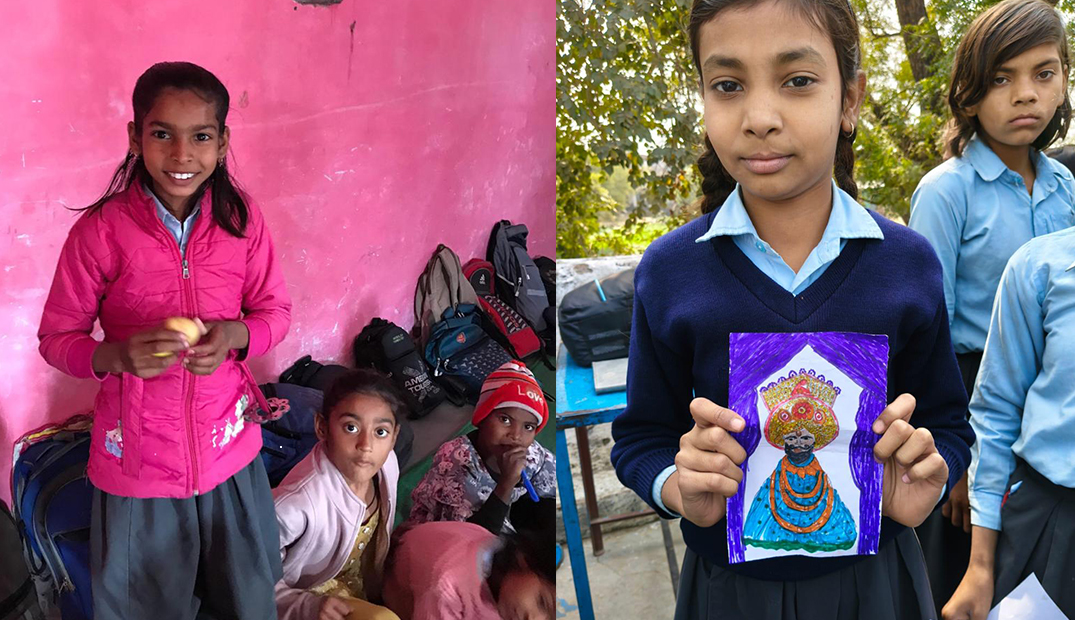
We have launched an innovative pilot—Gender Sensitive Citizenship (GSC)—in two schools in Dholpur, Rajasthan, in collaboration with the Azadi Project. The 12-week program, starting January 2026, engages girls and boys between 8 and 16 years through interactive workshops that explore gender equality, identity, and inclusion.
Adolescence is a time when ideas about gender take shape. The GSC program encourages students to question stereotypes, reflect on personal experiences, and become advocates for fairness and respect within their communities. Each session blends dialogue, storytelling, and activities aimed at nurturing empathy and mutual respect.
The model goes beyond awareness—it builds leadership from within. By training students as peer facilitators, the program empowers them to continue conversations on gender equality long after the workshops conclude. This program is supported by Libra Philanthropies. The foundation aims to extend the initiative over two years to schools across Rajasthan, building safe spaces where young people can talk, listen, and grow into gender-equal citizens.